 Business License

A 267 ms Voltage Sag Shut Down an Entire Production Line. Here's What Really Happened
Many engineers believe that if equipment suddenly stops, the first solution is to install a larger UPS.
❓However, a real power quality case study published by Electrotek Concepts tells a different story.
The incident occurred at an industrial manufacturing plant in the United States that had been experiencing unexplained production interruptions.
At first, the maintenance team suspected equipment failures, operator errors, or even issues with the utility supply.
To find the root cause, engineers installed power quality analyzers and continuously monitored the incoming power for nearly a year.
❗️The results were surprising.
During the monitoring period, seven voltage sag events were recorded.
Six of them were associated with lightning-related disturbances on the utility network.
Five of those seven events directly caused production interruptions.
The most severe event reduced the supply voltage by approximately 69% and lasted only 267 milliseconds.
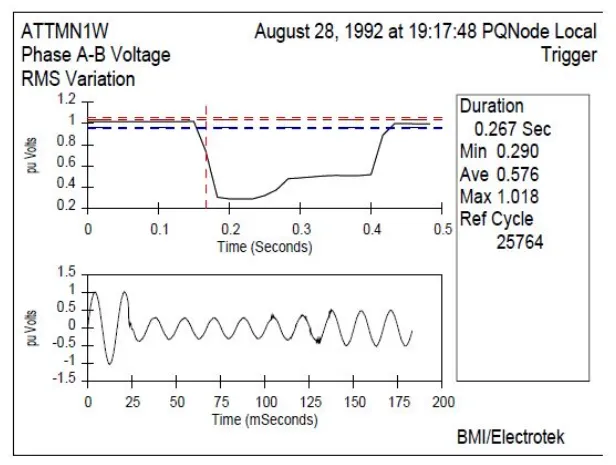
❗️❗️❗️Think about that for a moment.
Not 267 seconds.
Not even one second.
Just 267 milliseconds.
Yet that brief disturbance was enough to stop sensitive industrial equipment, interrupt production, and require operators to restart the manufacturing process.
This raises an important question.
If the interruption lasted less than one-third of a second, was backup power really the problem?
The answer is not necessarily.
✅Many people confuse two completely different power quality issues:
Power outage and voltage sag.
A UPS is designed to provide energy when the incoming power disappears completely or remains unavailable for a period of time.
A voltage sag is different.
The power is still present, but the voltage drops below the operating tolerance of sensitive equipment.
PLC controllers, servo drives, robotic systems, semiconductor tools, medical imaging equipment, and data center servers may trip even though the power never actually goes out.
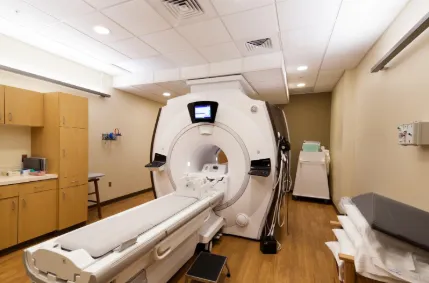
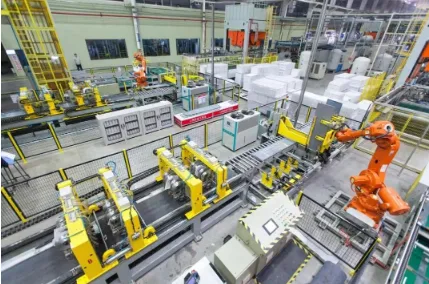
In these situations, the objective is not to supply more energy.
It is to restore the voltage quickly enough that the equipment never notices the disturbance.
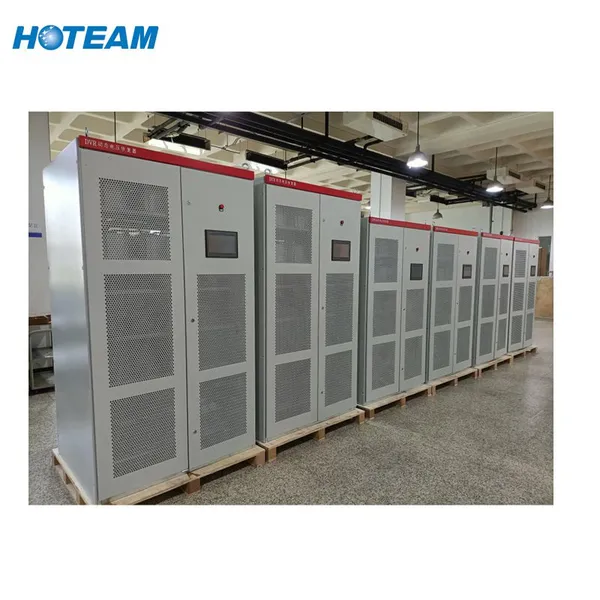
This is exactly where a Dynamic Voltage Restorer (DVR) becomes valuable.
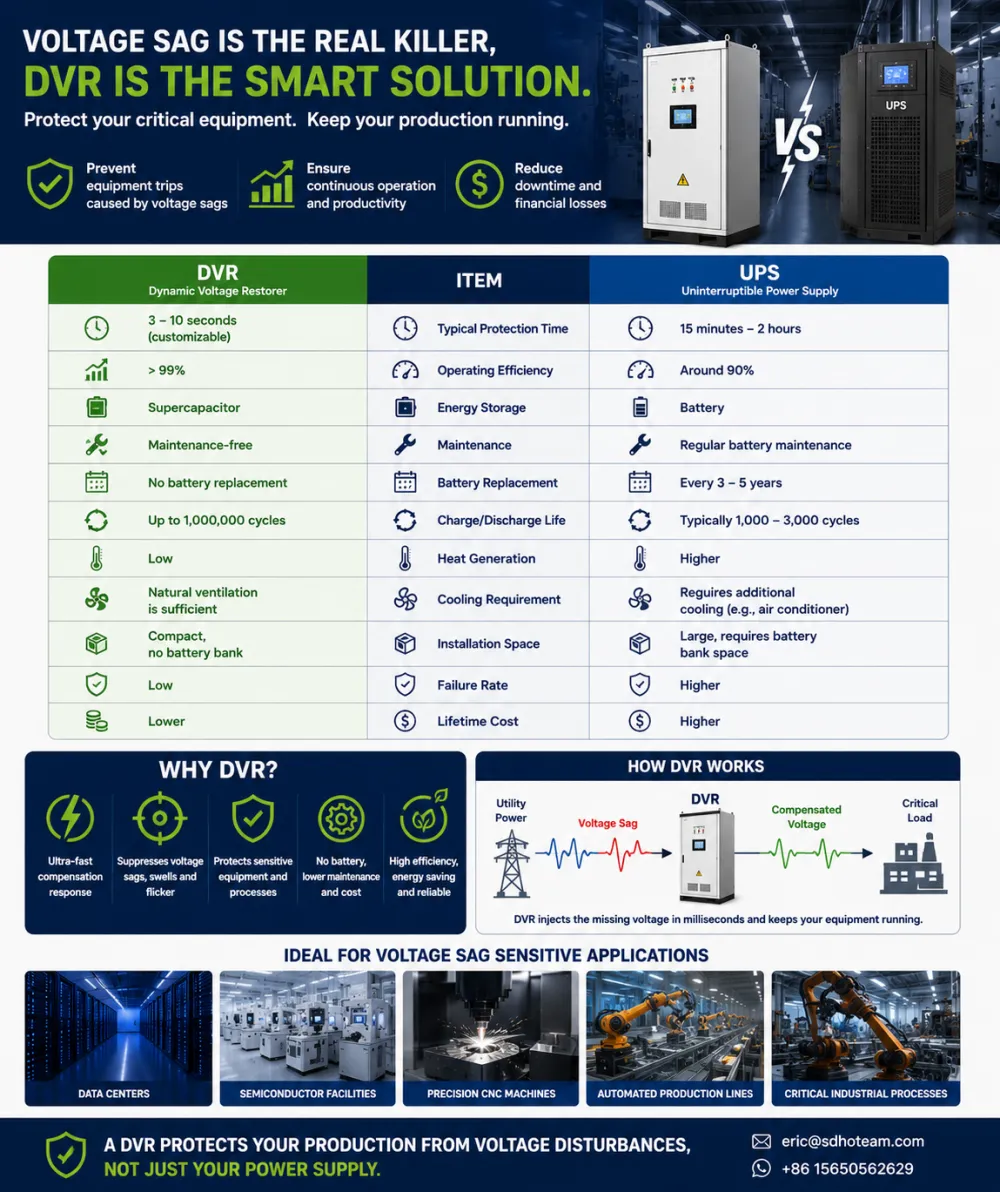
Instead of acting as a long-duration backup power source, a DVR detects voltage sags in real time and injects the missing voltage within milliseconds, allowing critical loads to continue operating without interruption.
Choosing between a UPS and a DVR is therefore not about deciding which product is better.
It is about understanding what problem you are trying to solve.
If your facility suffers from extended outages, a UPS may be the right investment.
If your production line repeatedly stops because of short-duration voltage sags caused by lightning, utility faults, or large motor starting events, a DVR may be a much more effective solution.
Before investing in any equipment, it is worth asking one simple question:
Did the equipment stop because the power disappeared, or because the voltage briefly dropped?
Understanding that difference can save far more than replacing hardware after every unexpected shutdown.
#PowerQuality #Voltagerestorer #voltage #Powerqualitysolutions#Voltagerestorer #EnergyEfficiency #voltage #distributuonbox #industrycontrol #powersystem #energysaving #GridStability #EnergyEfficiency #LowVoltageDistribution #EnergyManagementEquipment
Recently Posted
-
Small Load. Serious Harmonics —— 7.5A SIC AHF
August 19, 2026Small Load. Serious Harmonics —— 7.5A AHFThis is our brand-new product specially customized based on the client's project requ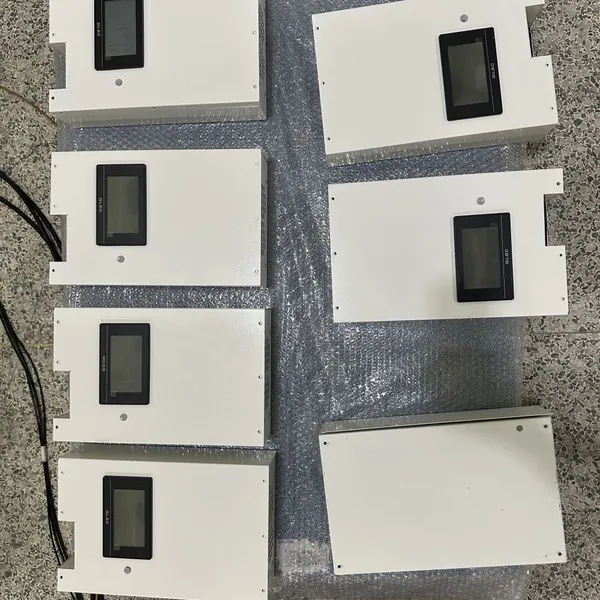 Read More
 -
Thyristor Switched Capacitor Bank (TSC) | Intelligent Reactive Power Compensation
August 7, 2026Thyristor Switched Capacitor Bank (TSC) | Intelligent Reactive Power CompensationRated Voltage: 400V / 690V / 6kV / 11kV / 22KV /3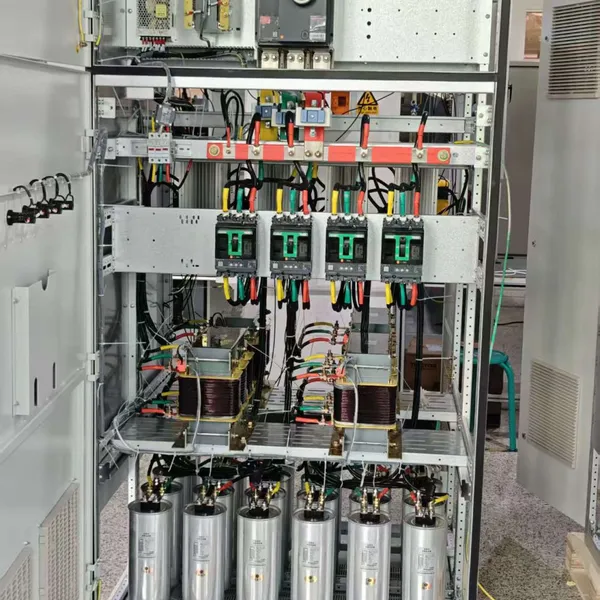 Read More
 -
⚡ Not every voltage problem requires a UPS.
August 4, 2026⚡ Not every voltage problem requires a UPS.In an automotive painting factory, the production line was facing voltage disturbances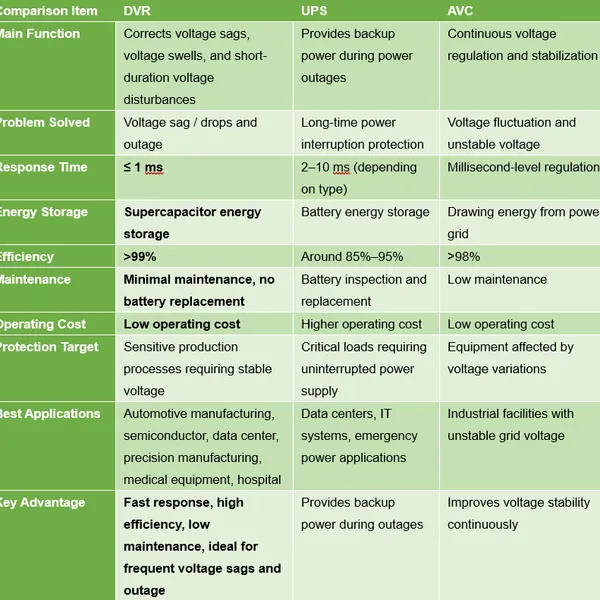 Read More
 -
Active harmonic filter's compensation methods
August 3, 2026Q: What are the compensation methods of active power filters (APF), and how to choose them?A:According to different installation p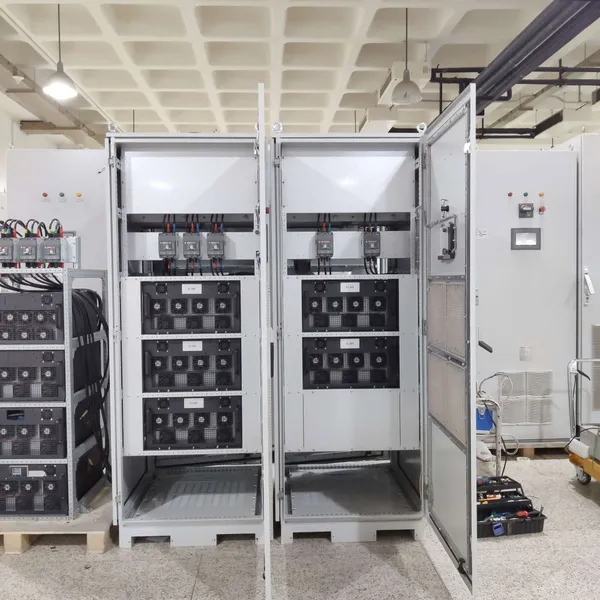 Read More

Contact Us
Recommended Products
-
 Hoteam 400V/230V 400-800AA Active Harmonic Filter IGBT Technology Switchgear Cabinet Distribution Box Industrial Outdoor/Indoor UseNegotiableMOQ: 1 Unit
 -
Automatic Voltage Regulator AVR 230V 50/60Hz 30/50/80/100/500KVA Air-cooled Automation AC Voltage RestorerNegotiableMOQ: 1 Unit
-
Hoteam SVG AHF 415V/430V 50/60Hz 600kvar 3phase 3wire Rac IP3X Electromagnetic Lock Static Var Generator Distribution BoxNegotiableMOQ: 1 Unit
-
Hoteam HTEQV PFC Capacitor Bank 400V 50Hz 150kvar High-speed Three Phase Reactive Power Compensation Distribution Box IP30NegotiableMOQ: 1 Unit
-
Hoteam SVG High Voltage Static Var Generator-SVG 11 KV/22 KV 50/60Hz IP3X Steel Industrial Indoor Power Transmission 10MVA-60MVANegotiableMOQ: 1 Unit
-
Low-Voltage HV IGBT Technology CE Certificate Modular Static Var Generator (STATCOM/SVG) HMI SVG 440V/415V/480V 200kvar 50/60HzNegotiableMOQ: 1 Unit
-
Hoteam 208V/400V/440V/480V 50Hz 800kvar SVG Module IP3X Protection PWM Control Industrial Automation 4.3/7 Inch HMINegotiableMOQ: 1 Unit
-
Hoteam 440V 50/60Hz 500kvar 3phase 3wire Rack Steel IP3X Rated Static Var Generator Distribution BoxNegotiableMOQ: 1 Unit
-
Automatic Voltage Regulator Industrial Voltage Stabilizer 380V 440V AVR 30KVA-100KVANegotiableMOQ: 1 Unit
-
Hoteam HTSVG 3L-0.4/25kvar AC Automation Modular SVG IP32 Reactive Power Factor Correction With Stainless Steel & Aluminum AlloyNegotiableMOQ: 1 Unit
-
11KV/22KV/33KV Outdoor Capacitor Bank IP54 High Voltage Automatic Power Factor Correction PFC PQSNegotiableMOQ: 1 Unit
-
440V 50Hz 3phase 4wire Wall-mounting Type Active Harmonic Filter From 60A to 450ANegotiableMOQ: 1 Unit
-
Hoteam SVG 400V/440V/480V 50kvar 50Hz 3Phase 4Wire IP3X Distribution Box for Electric Power Transmission Industrial UseNegotiableMOQ: 1 Unit
-
11KV/22KV/33KV 2MVAR/4MVAR/20MVAR 50/60Hz Outdoor Capacitor Bank IP54 High Voltage Automatic Power Factor Correction PFC PQSNegotiableMOQ: 1 Unit
-
Module Type AHF 440V/150A Active Harmonic Filter Reactive Power Compensation Distribution Box IP43/ IP3XNegotiableMOQ: 1 Unit
-
Hoteam SiC-based Silicon Carbide 480V 150A AHF Distribution Box for Indoor Industrial Electric Power TransmissionNegotiableMOQ: 1 Unit
-
Hoteam SVG Module Type 440V 200kvar Wall-Mounting Active Harmonic Filter Reactive Power CompensationNegotiableMOQ: 1 Unit
-
Hoteam Active Harmonic Filter 440V 60A Industrial Indoor Wall-mounted Module Type AHF Active Load Balancer Distribution BoxNegotiableMOQ: 1 Unit
-
Industrial DVR-440V/2500kVA Three Phase AC Static Automatic Voltage Regulator (AVR) Touch Screen Interface 2500kVA CapacityNegotiableMOQ: 1 Unit
-
Automatic DVR 480V/690V/230V 1200KVA Industrial Dynamic Voltage Regulator 99% EfficiencyNegotiableMOQ: 1 Unit