 Business License

Difference Between Transformer KW and KVA: Why KVA Is the Standard Unit
Electrical practitioners and engineering beginners often encounter a confusing problem during transformer selection, procurement, and capacity calculation. Daily electrical equipment such as motors and appliances are rated inKW (kilowatts), while power equipment like transformers and UPS systems are uniformly marked in KVA (kilovolt-amperes).
Many people mistakenly equate KW with KVA, which leads to undersized transformers, overheating, insufficient load capacity, and even equipment failures. This article explains the essential differences between transformer KW and KVA in plain terms, as well as why the power industry exclusively uses KVA instead of KW for transformer capacity labeling.
1. Core Definitions: What Are KW and KVA?
In AC circuits, electrical power is divided into different categories, which fundamentally distinguish these two units. Here is a straightforward explanation without complicated technical jargon:
1.1 KW (Kilowatt) = Active Power — Useful Working Power
KW is the most commonly used power unit in daily applications. It represents the actually working, consumed, and effectively converted electrical energy of equipment. Mechanical rotation, heating, lighting, and other valid work done by electrical devices are all measured in KW. It is also the core standard for power billing and equipment power rating marking.
In short: KW refers to the effective electrical energy that generates practical value and is consumed by loads.
1.2 KVA (Kilovolt-Ampere) = Apparent Power — Total Transmitted Power
KVA is a dedicated capacity unit for power systems, representing the total power generated by the combined effect of voltage and current in a circuit. It consists of two parts: active power (KW) that performs useful work, and reactive power (KVAR) that occupies circuit resources without doing practical work.
Reactive power cannot be converted into mechanical or thermal energy, but it inevitably occupies the current and capacity of lines and transformers, causing equipment heat generation and line power loss in AC circuits.
In short: KVA is the total power volume of a circuit, including both effective working power and ineffective occupied power.
2. Core Differences and Conversion Formula Between KW and KVA
KW and KVA are not equivalent. The core connection between them is the power factor (cosφ), which is the key to all electrical power conversion calculations.
2.1 Universal Conversion Formula
Active Power (KW) = Apparent Power (KVA) × Power Factor (cosφ)
Apparent Power (KVA) = Active Power (KW) ÷ Power Factor (cosφ)
2.2 Key Differences
① Different Definitions: KW is effective working power; KVA is the total bearing power of a circuit.
② Different Applications: KW is used for energy consumption statistics, power calculation, and electricity billing; KVA is used to mark the maximum load capacity of power equipment such as transformers and UPS.
③ Different Numerical Values: The power factor is always ≤ 1, so the KVA value is always greater than or equal to the KW value under the same working conditions.
④ Different Influencing Factors: KW is determined by the actual work of equipment; KVA is affected by load type and power factor.
2.3 Simple Analogy for Easy Understanding
A transformer can be compared to a cargo truck:
KVA stands for the maximum load limit of the truck (the total weight the vehicle can bear).
KW stands for the weight of valid cargo (useful materials being transported).
Reactive power is equivalent to packaging and fillers — they take up weight and space but produce no practical value.
The power factor represents the proportion of valid cargo in the total load.
If you only calculate based on valid cargo weight (KW) and ignore the extra weight of packaging (reactive power), the truck will be overloaded and damaged. This explains why transformer selection based solely on KW always leads to errors.
3. Why Do Transformers Use KVA Instead of KW?
This is the most common question for industry beginners. The unified industry standard is not arbitrary but determined by the working principles and inherent characteristics of transformers, with four core reasons:
3.1 Transformers Bear Total Circuit Power, Not Just Active Power
The core function of a transformer is voltage and current transmission and conversion, rather than consuming electric energy or outputting mechanical work. It does not distinguish between useful active power and useless reactive power. Any current passing through the transformer will cause load, heat generation, and power loss.
Transformers fully bear all power from various loads, whether inductive loads such as motors and frequency converters (low power factor) or resistive loads such as electric heaters (high power factor). Capacity marking in KW cannot reflect the load pressure caused by reactive power, resulting in inaccurate parameter calibration.
3.2 KVA Corresponds Directly to Current and Determines Thermal Limits
The ultimate operating limit of a transformer is not how much useful work it can output, but the maximum current it can withstand without overheating and burnout. Coil heating, insulation aging, and overload damage of transformers are all determined by the total circuit current.
As apparent power, KVA is directly linked to voltage and total current (KVA=UI), which can accurately reflect the current bearing limit and thermal tolerance of transformers. In contrast, KW excludes reactive power and cannot reflect the actual operating current, so it cannot serve as a safety limit standard for equipment.
3.3 Unfixed Load Power Factor Causes Fluctuating KW Values
Different electrical equipment has vastly different power factors. Resistive loads such as incandescent lamps and electric water heaters have a power factor close to 1, while inductive loads such as motors, air compressors, and frequency converters usually have a power factor of 0.6 to 0.8.
The same transformer will have completely different KW values when connected to different loads. Capacity marking in KW will lead to non-uniform parameters and invalid selection standards.
In comparison, KVA is a fixed inherent parameter of transformers, independent of load types and power factors. A 100KVA transformer always maintains the same total capacity limit for all loads, ensuring high universality and standardization.
3.4 Industry Standardization for Engineering Design and Selection
KVA is the unified standard unit for transformer capacity in power system operation, power distribution design, equipment manufacturing, and engineering acceptance. It avoids conversion errors and selection risks caused by mixed use of units. Random mixing of KW and KVA will lead to inconsistent standards among manufacturers and working conditions, easily causing equipment waste, overload failure, and engineering safety hazards.
4. Practical Transformer Selection Tips for Engineering
Follow the universal industry standards for accurate transformer selection without blind estimation:
1. For conventional industrial loads with a power factor of 0.8: Transformer Capacity (KVA) = Total Equipment Power (KW) ÷ 0.8
2. Reserve a 10%-20% capacity margin to avoid full-load or overload operation and extend equipment service life.
3. Appropriately reduce the margin for pure resistive loads; increase the capacity margin for working conditions with numerous frequency converters and motors to prevent overload risks caused by low power factors.
5. Full Text Summary
1. KW stands for active power: It reflects the actual work and effective energy consumption of equipment, used for energy statistics and electricity billing.
2. KVA stands for apparent power: It represents the total circuit power including active and reactive power, used for power equipment capacity calibration.
3. Core conversion rule: KW=KVA×Power Factor, and the KVA value is always greater than or equal to the KW value.
4. Core reasons for universal KVA adoption for transformers: bearing total circuit current, immunity to power factor changes, accurate reflection of equipment thermal limits, and unified industry standards.
Mastering the difference between KW and KVA is the foundation of accurate transformer selection and safe power distribution system operation.
Recently Posted
-
Small Load. Serious Harmonics —— 7.5A SIC AHF
August 19, 2026Small Load. Serious Harmonics —— 7.5A AHFThis is our brand-new product specially customized based on the client's project requ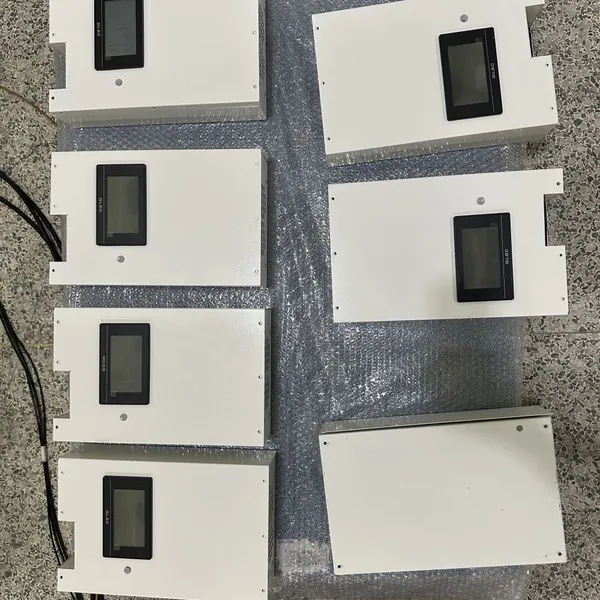 Read More
 -
Thyristor Switched Capacitor Bank (TSC) | Intelligent Reactive Power Compensation
August 7, 2026Thyristor Switched Capacitor Bank (TSC) | Intelligent Reactive Power CompensationRated Voltage: 400V / 690V / 6kV / 11kV / 22KV /3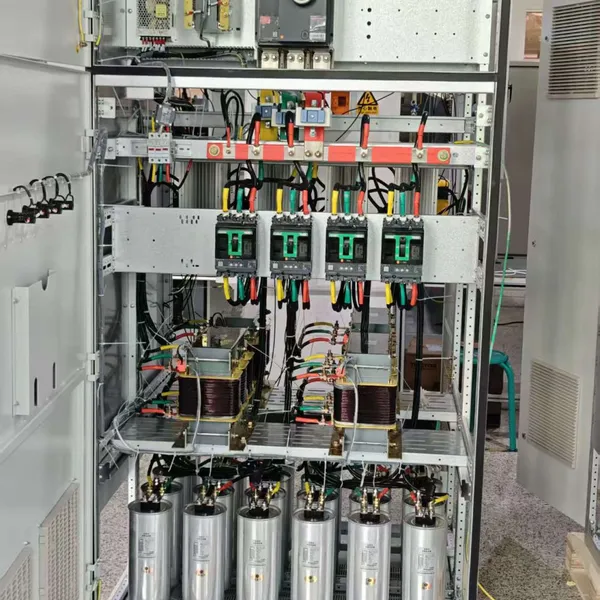 Read More
 -
⚡ Not every voltage problem requires a UPS.
August 4, 2026⚡ Not every voltage problem requires a UPS.In an automotive painting factory, the production line was facing voltage disturbances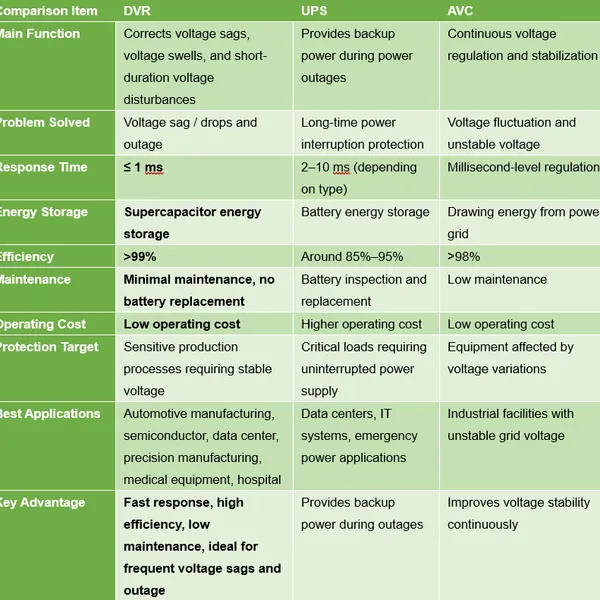 Read More
 -
Active harmonic filter's compensation methods
August 3, 2026Q: What are the compensation methods of active power filters (APF), and how to choose them?A:According to different installation p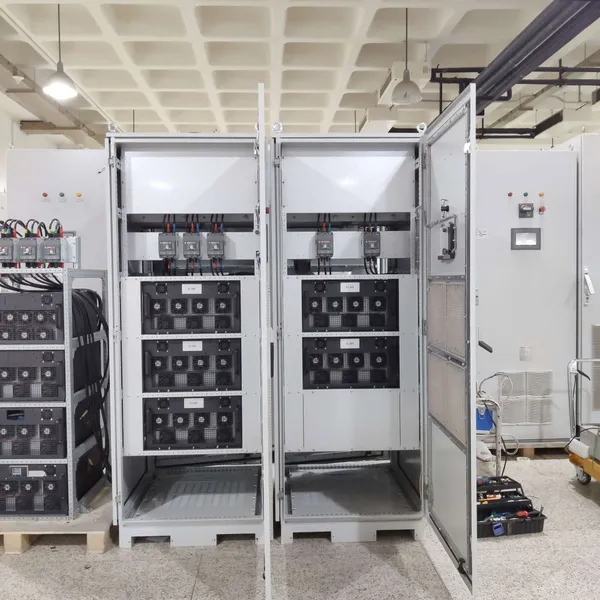 Read More

Contact Us
Recommended Products
-
 Hoteam 400V/230V 400-800AA Active Harmonic Filter IGBT Technology Switchgear Cabinet Distribution Box Industrial Outdoor/Indoor UseNegotiableMOQ: 1 Unit
 -
Automatic Voltage Regulator AVR 230V 50/60Hz 30/50/80/100/500KVA Air-cooled Automation AC Voltage RestorerNegotiableMOQ: 1 Unit
-
Hoteam SVG AHF 415V/430V 50/60Hz 600kvar 3phase 3wire Rac IP3X Electromagnetic Lock Static Var Generator Distribution BoxNegotiableMOQ: 1 Unit
-
Hoteam HTEQV PFC Capacitor Bank 400V 50Hz 150kvar High-speed Three Phase Reactive Power Compensation Distribution Box IP30NegotiableMOQ: 1 Unit
-
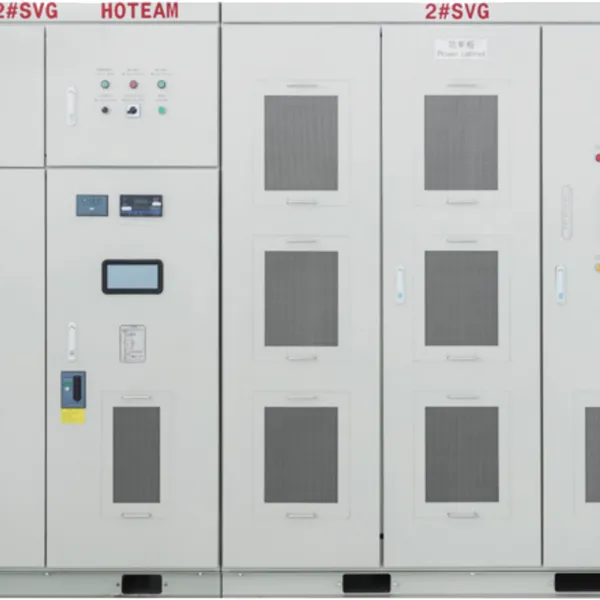
Hoteam SVG High Voltage Static Var Generator-SVG 11 KV/22 KV 50/60Hz IP3X Steel Industrial Indoor Power Transmission 10MVA-60MVANegotiableMOQ: 1 Unit
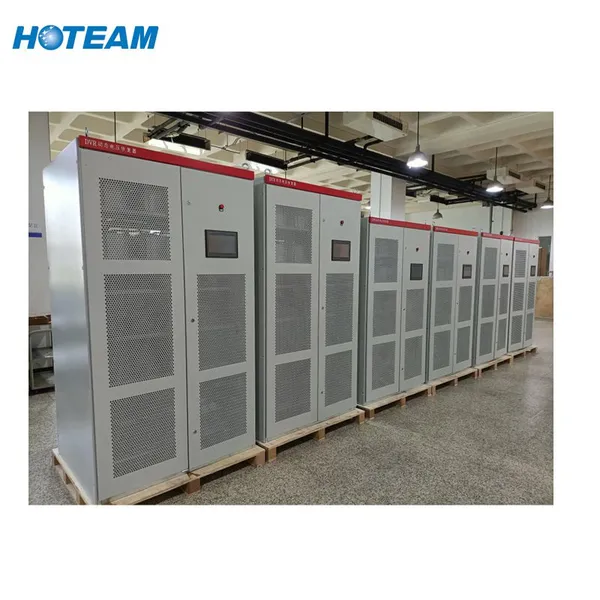
-
Low-Voltage HV IGBT Technology CE Certificate Modular Static Var Generator (STATCOM/SVG) HMI SVG 440V/415V/480V 200kvar 50/60HzNegotiableMOQ: 1 Unit
-
Hoteam 208V/400V/440V/480V 50Hz 800kvar SVG Module IP3X Protection PWM Control Industrial Automation 4.3/7 Inch HMINegotiableMOQ: 1 Unit
-
Hoteam 440V 50/60Hz 500kvar 3phase 3wire Rack Steel IP3X Rated Static Var Generator Distribution BoxNegotiableMOQ: 1 Unit
-
Automatic Voltage Regulator Industrial Voltage Stabilizer 380V 440V AVR 30KVA-100KVANegotiableMOQ: 1 Unit
-
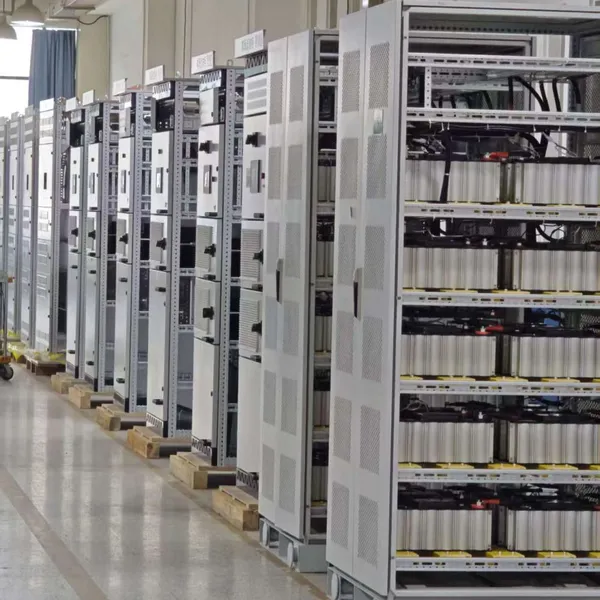
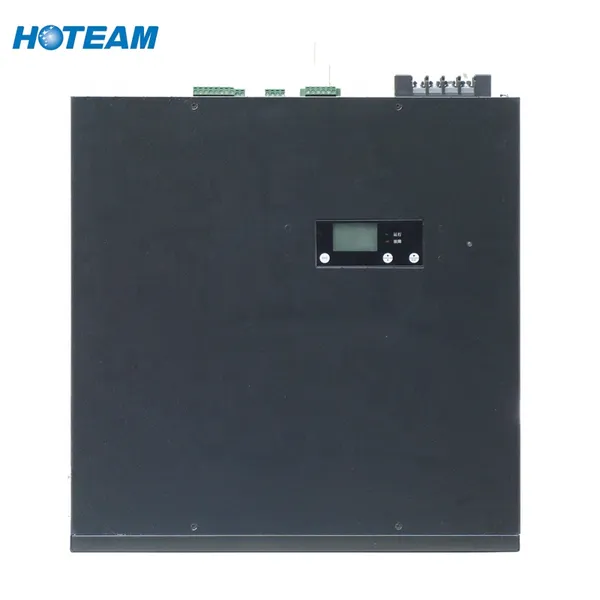
Hoteam HTSVG 3L-0.4/25kvar AC Automation Modular SVG IP32 Reactive Power Factor Correction With Stainless Steel & Aluminum AlloyNegotiableMOQ: 1 Unit
-
11KV/22KV/33KV Outdoor Capacitor Bank IP54 High Voltage Automatic Power Factor Correction PFC PQSNegotiableMOQ: 1 Unit
-
440V 50Hz 3phase 4wire Wall-mounting Type Active Harmonic Filter From 60A to 450ANegotiableMOQ: 1 Unit
-
Hoteam SVG 400V/440V/480V 50kvar 50Hz 3Phase 4Wire IP3X Distribution Box for Electric Power Transmission Industrial UseNegotiableMOQ: 1 Unit
-
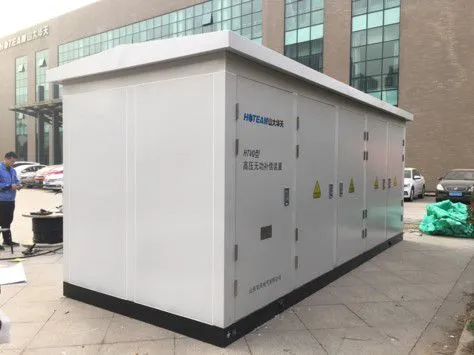
11KV/22KV/33KV 2MVAR/4MVAR/20MVAR 50/60Hz Outdoor Capacitor Bank IP54 High Voltage Automatic Power Factor Correction PFC PQSNegotiableMOQ: 1 Unit
-
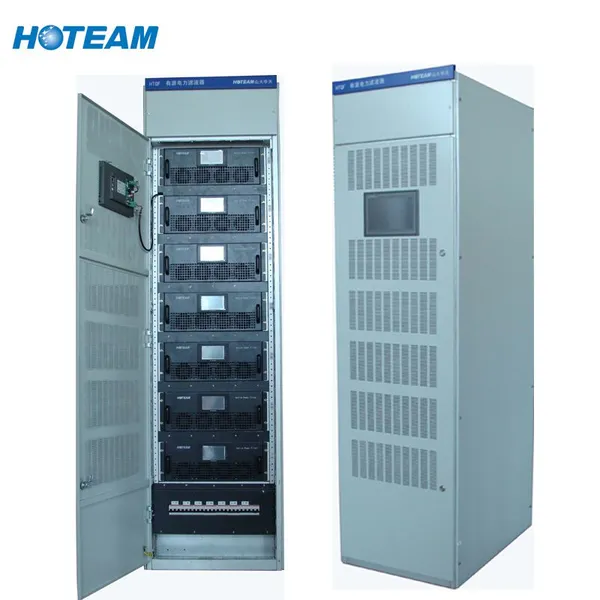
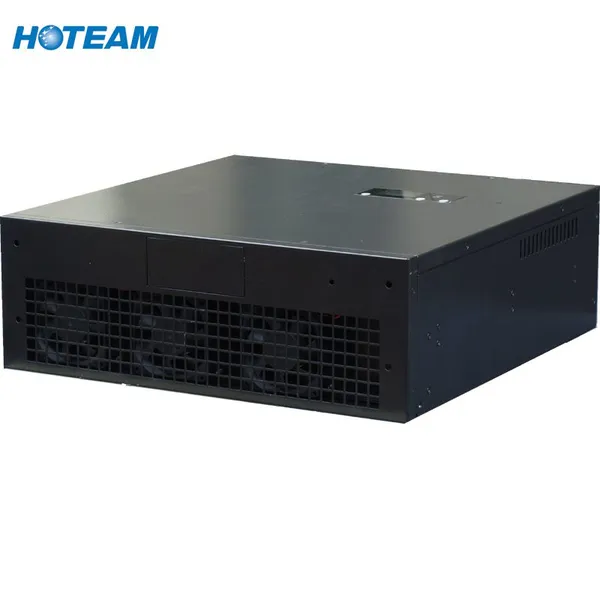
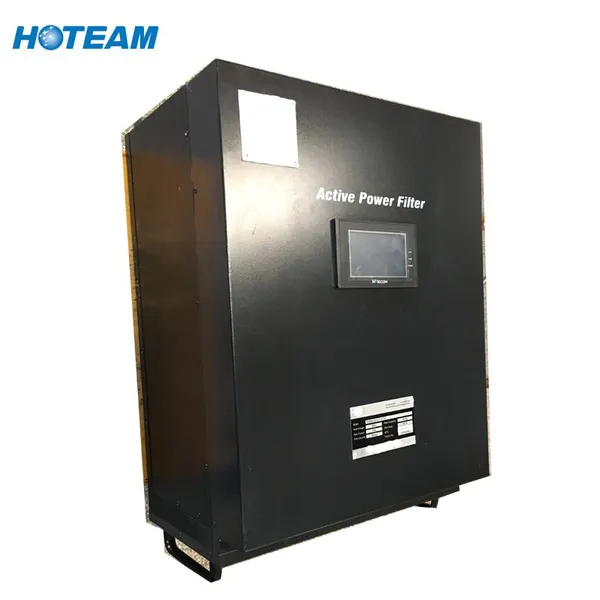
Module Type AHF 440V/150A Active Harmonic Filter Reactive Power Compensation Distribution Box IP43/ IP3XNegotiableMOQ: 1 Unit
-
Hoteam SiC-based Silicon Carbide 480V 150A AHF Distribution Box for Indoor Industrial Electric Power TransmissionNegotiableMOQ: 1 Unit
-
Hoteam SVG Module Type 440V 200kvar Wall-Mounting Active Harmonic Filter Reactive Power CompensationNegotiableMOQ: 1 Unit
-
Hoteam Active Harmonic Filter 440V 60A Industrial Indoor Wall-mounted Module Type AHF Active Load Balancer Distribution BoxNegotiableMOQ: 1 Unit
-
Industrial DVR-440V/2500kVA Three Phase AC Static Automatic Voltage Regulator (AVR) Touch Screen Interface 2500kVA CapacityNegotiableMOQ: 1 Unit
-
Automatic DVR 480V/690V/230V 1200KVA Industrial Dynamic Voltage Regulator 99% EfficiencyNegotiableMOQ: 1 Unit