 Business License

Why Choose a SiC Active Harmonic Filter Instead of Traditional IGBT AHF?
Introduction
As modern industrial systems become increasingly dependent on non-linear loads such as VFDs, UPS systems, data centers, EV chargers, CNC machines, and renewable energy systems, harmonic pollution in power networks has become a serious challenge.
Traditional Active Harmonic Filters (AHF) based on IGBT technology have been widely used for years. However, with the rapid development of power electronics, SiC (Silicon Carbide) Active Harmonic Filters are now becoming the preferred solution for high-performance power quality applications.
So why are more engineers and industrial users choosing SiC AHF instead of conventional IGBT-based filters?
This article explains the key differences and advantages of SiC Active Harmonic Filters in terms of efficiency, response speed, power density, energy savings, and long-term reliability.
What Is a SiC Active Harmonic Filter?
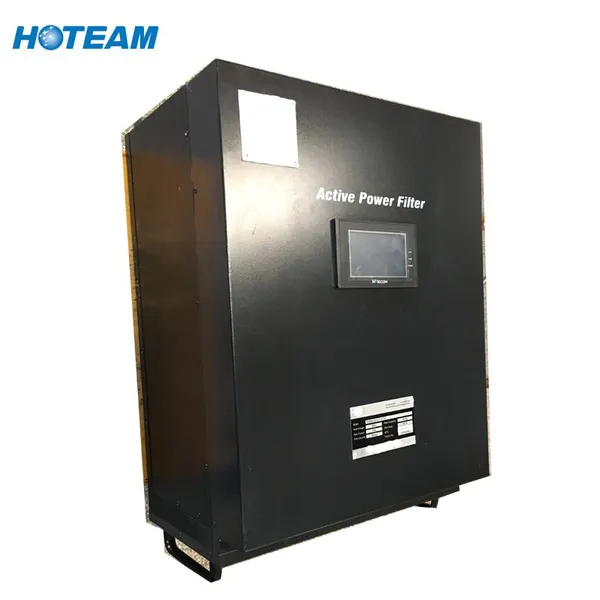
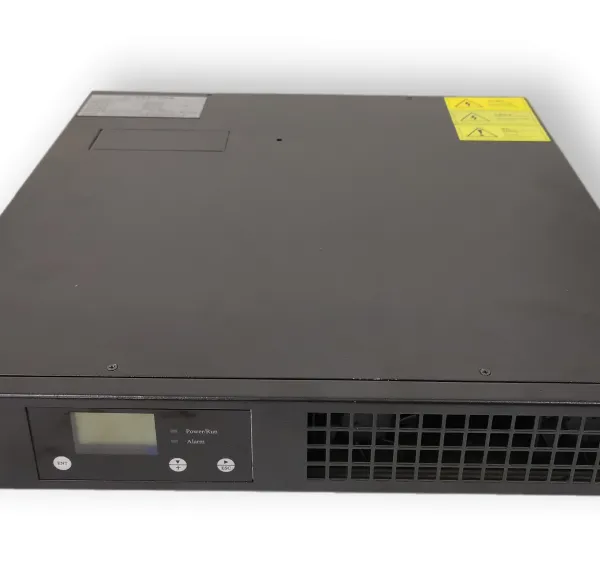
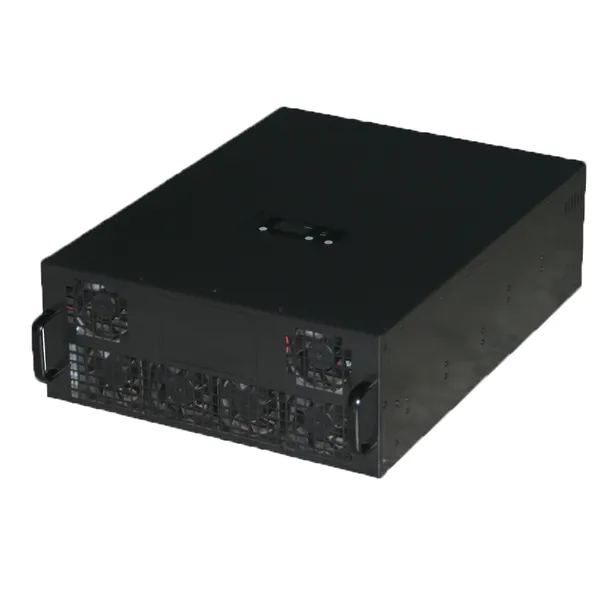
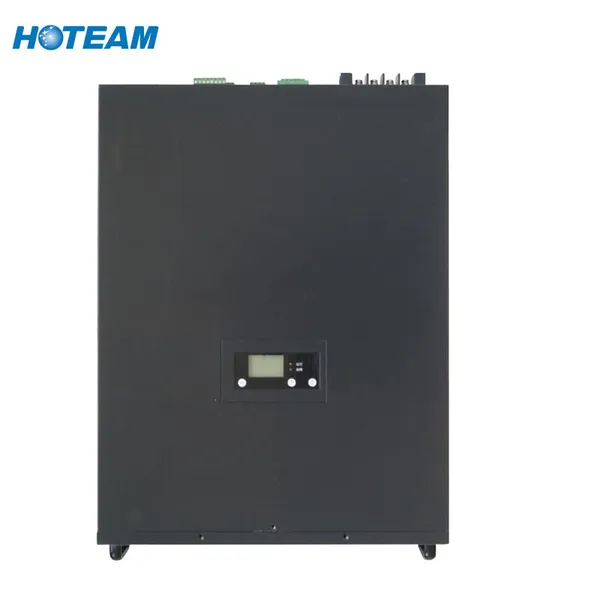
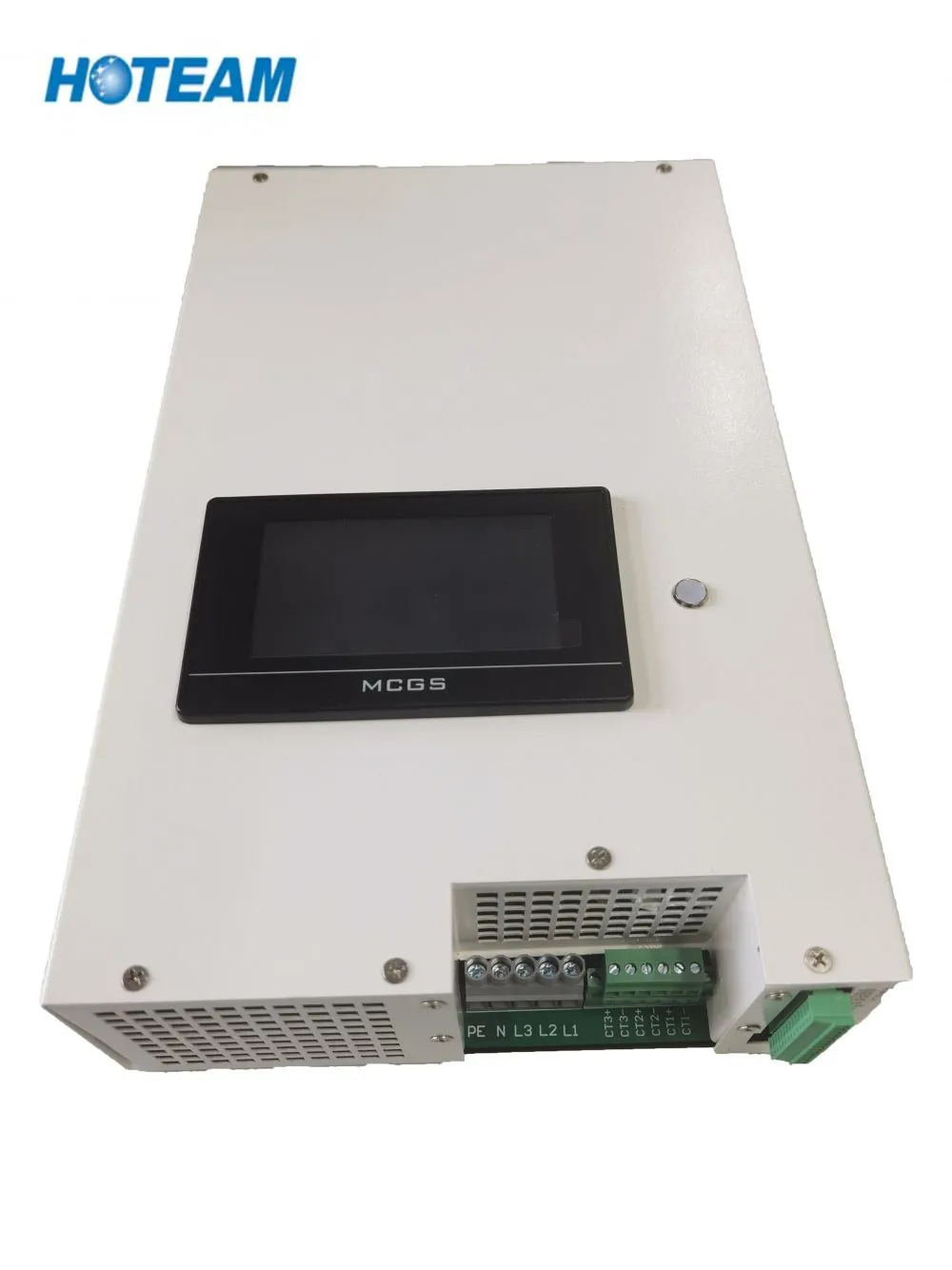
A SiC Active Harmonic Filter (AHF) is a power quality device designed to dynamically eliminate harmonics, improve power factor, and balance three-phase currents.
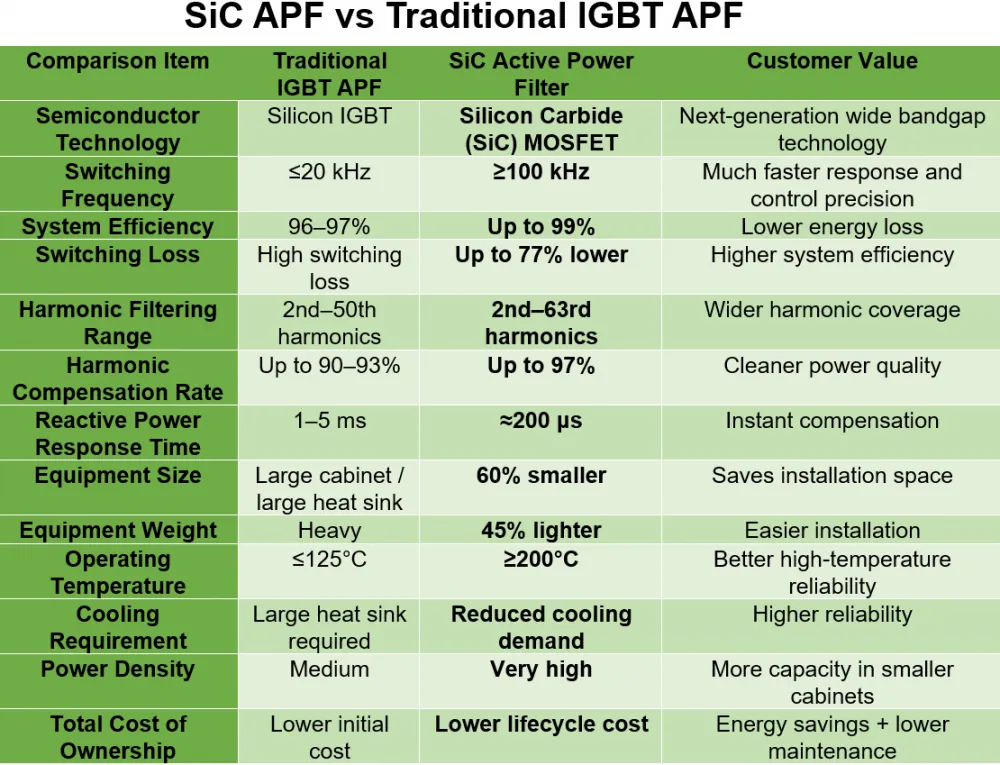
Unlike conventional filters that use silicon IGBT semiconductors, SiC AHFs use Silicon Carbide MOSFET technology, which offers significantly better switching performance and lower losses.
The result is:
Faster harmonic compensation
Lower power loss
Smaller cabinet size
Higher efficiency
Better thermal performance
Improved stability in harsh environments
SiC vs IGBT: What Is the Difference?
Traditional IGBT Technology
IGBT (Insulated Gate Bipolar Transistor) has been the mainstream semiconductor technology in power electronics for decades.
Advantages:
Mature technology
Lower initial cost
Widely used
However, IGBT devices also have limitations:
Higher switching losses
Slower switching frequency
Larger heat generation
Larger cooling requirements
Bigger cabinet size
These disadvantages become more obvious in modern high-efficiency applications.
Silicon Carbide (SiC) Technology
SiC is a next-generation wide-bandgap semiconductor material.
Compared with traditional silicon IGBT devices, SiC MOSFETs can operate at:
Much higher switching frequencies
Higher temperatures
Lower switching losses
Higher efficiency levels
This makes SiC especially suitable for advanced power quality solutions like Active Harmonic Filters.
Main Advantages of SiC Active Harmonic Filters
1. Much Lower Power Loss
One of the biggest advantages of SiC AHF is extremely low power loss.
Traditional IGBT AHFs typically have:
Higher conduction loss
Higher switching loss
Larger heat dissipation
SiC devices dramatically reduce switching losses, which means:
Lower electricity consumption
Less heat generation
Reduced cooling demand
In many industrial applications, this directly translates into long-term energy savings.
For facilities operating 24/7 such as:
Data centers
Semiconductor factories
Hospitals
Manufacturing plants
even a small efficiency improvement can save substantial operational costs over time.
2. Higher Efficiency
Traditional IGBT AHFs generally operate around:
96%–97% efficiency
SiC Active Harmonic Filters can often achieve:
98%–99% efficiency
While the percentage difference may look small, the actual energy savings over years of continuous operation can be significant.
Higher efficiency also means:
Lower internal temperature rise
Longer component lifespan
Improved system reliability
3. Faster Dynamic Response
Modern power systems often experience rapidly changing loads.
Examples include:
VFD acceleration/deceleration
Robotic equipment
Welding machines
EV charging stations
SiC semiconductors support much higher switching frequencies, enabling:
Faster current tracking
Faster harmonic compensation
More accurate reactive power compensation
This allows the filter to react almost instantly to load changes.
As a result:
Harmonic suppression becomes more stable
Power factor correction is more accurate
System voltage quality improves
4. Better Harmonic Filtering Performance
Higher switching frequency means:
Better waveform reconstruction
More precise compensation current output
This allows SiC AHFs to achieve:
Lower THDi
Better compensation of higher-order harmonics
Improved filtering accuracy
Especially in facilities with severe harmonic distortion, SiC technology performs noticeably better than traditional IGBT systems.
5. Smaller Size and Higher Power Density
Because SiC devices generate less heat and support higher frequencies:
Magnetic components become smaller
Heat sinks become smaller
Cooling systems become simpler
This significantly increases power density.
Benefits include:
Smaller cabinet dimensions
Easier installation
Reduced floor space requirements
More flexible retrofit projects
This is extremely valuable for:
Data centers
Commercial buildings
Marine applications
Compact electrical rooms
6. Lower Heat Generation
Heat is one of the biggest enemies of electrical equipment.
Traditional IGBT filters often require:
Large fans
Heavy cooling systems
Higher maintenance frequency
SiC AHFs generate much less heat due to lower losses.
Advantages:
Lower internal cabinet temperature
Longer capacitor lifespan
Reduced thermal stress
Improved reliability
This is especially important in:
High ambient temperature regions
Dusty industrial environments
Continuous-operation facilities
7. Longer Service Life
Lower temperature directly affects equipment lifespan.
Because SiC Active Harmonic Filters operate with:
Lower thermal stress
Lower switching losses
Lower cooling burden
critical components can last longer.
This helps reduce:
Maintenance costs
Downtime risk
Lifecycle operating expenses
8. Ideal for Modern High-End Applications
SiC Active Harmonic Filters are especially suitable for industries requiring:
High efficiency
Fast response
Compact design
High reliability
Typical applications include:
Data centers
Semiconductor manufacturing
Precision CNC equipment
Renewable energy systems
EV charging infrastructure
Medical facilities
Smart factories
Industrial automation systems
Is SiC AHF More Expensive?
Yes — the initial purchase cost of SiC Active Harmonic Filters is usually higher than traditional IGBT AHFs.
However, many users now focus on:
Total lifecycle cost
Energy savings
Maintenance reduction
System reliability
In long-term operation, SiC technology often delivers better overall economic value.
For projects where power quality is critical, the performance advantages can easily justify the investment.
Conclusion
As industrial power systems continue evolving toward higher efficiency and smarter automation, traditional IGBT harmonic filters are gradually reaching their technical limits.
SiC Active Harmonic Filters represent the next generation of power quality solutions by offering:
Higher efficiency
Lower power loss
Faster response speed
Better harmonic compensation
Smaller size
Lower heat generation
Longer service life
For customers seeking advanced, reliable, and future-oriented harmonic mitigation solutions, SiC AHF is becoming the preferred choice.
If your facility operates sensitive equipment, variable-speed drives, renewable systems, or high-density electrical loads, upgrading to SiC Active Harmonic Filter technology can significantly improve overall power quality and operational efficiency.
Recently Posted
-
Thyristor Switched Capacitor Bank (TSC) | Intelligent Reactive Power Compensation
August 7, 2026Thyristor Switched Capacitor Bank (TSC) | Intelligent Reactive Power CompensationRated Voltage: 400V / 690V / 6kV / 11kV / 22KV /3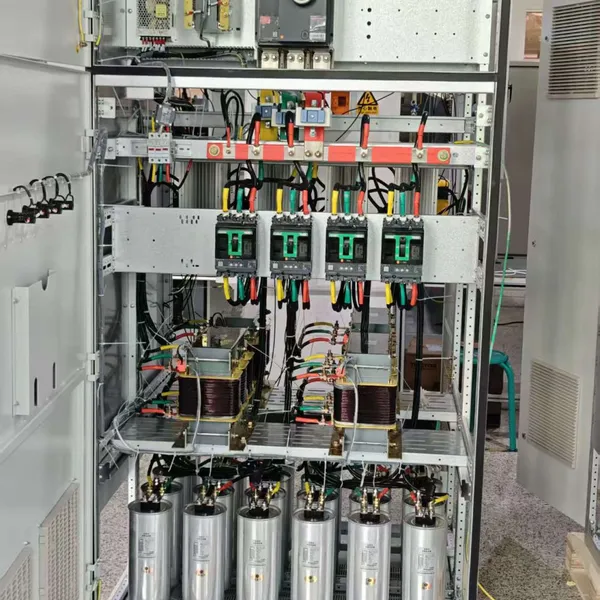 Read More
 -
⚡ Not every voltage problem requires a UPS.
August 4, 2026⚡ Not every voltage problem requires a UPS.In an automotive painting factory, the production line was facing voltage disturbances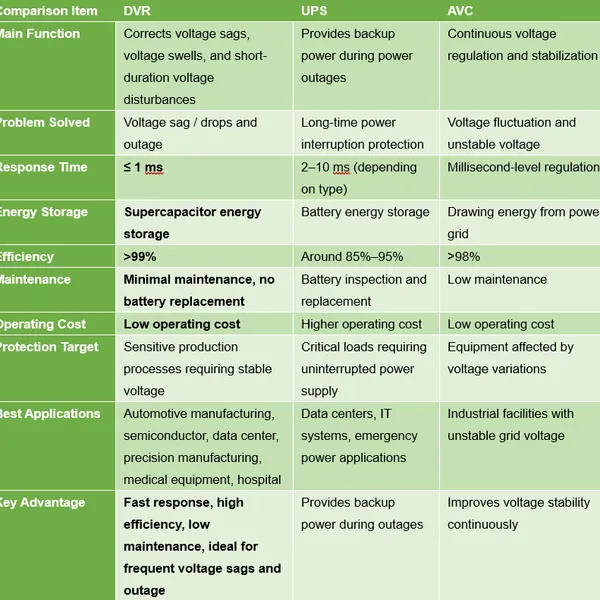 Read More
 -
Active harmonic filter's compensation methods
August 3, 2026Q: What are the compensation methods of active power filters (APF), and how to choose them?A:According to different installation p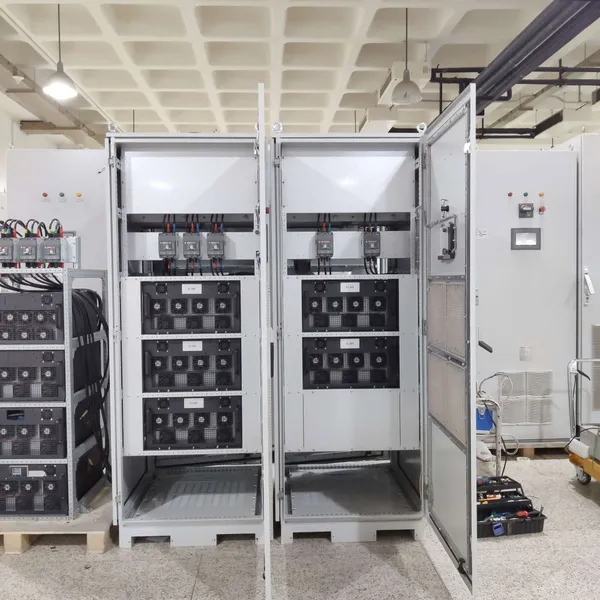 Read More
 -
When Every Millisecond Counts, Power Quality Matters.
July 31, 2026&nbs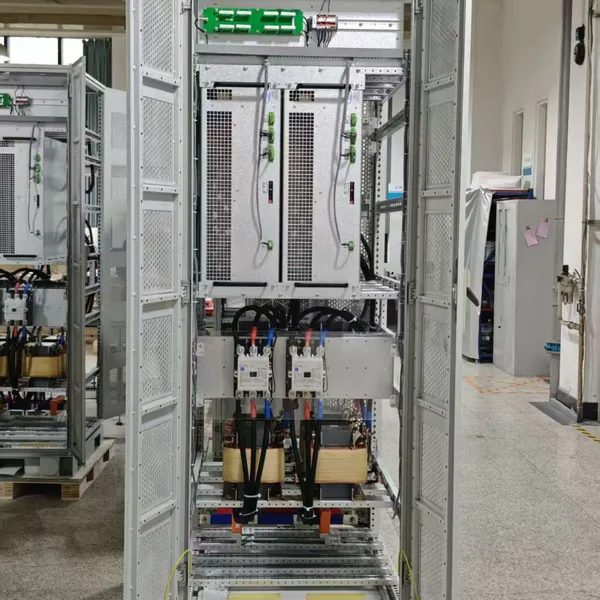 Read More

Contact Us
Recommended Products
-
 Hoteam 400V/230V 400-800AA Active Harmonic Filter IGBT Technology Switchgear Cabinet Distribution Box Industrial Outdoor/Indoor UseNegotiableMOQ: 1 Unit
 -
Automatic Voltage Regulator AVR 230V 50/60Hz 30/50/80/100/500KVA Air-cooled Automation AC Voltage RestorerNegotiableMOQ: 1 Unit
-
Hoteam SVG AHF 415V/430V 50/60Hz 600kvar 3phase 3wire Rac IP3X Electromagnetic Lock Static Var Generator Distribution BoxNegotiableMOQ: 1 Unit
-
Hoteam HTEQV PFC Capacitor Bank 400V 50Hz 150kvar High-speed Three Phase Reactive Power Compensation Distribution Box IP30NegotiableMOQ: 1 Unit
-
Hoteam SVG High Voltage Static Var Generator-SVG 11 KV/22 KV 50/60Hz IP3X Steel Industrial Indoor Power Transmission 10MVA-60MVANegotiableMOQ: 1 Unit
-
Low-Voltage HV IGBT Technology CE Certificate Modular Static Var Generator (STATCOM/SVG) HMI SVG 440V/415V/480V 200kvar 50/60HzNegotiableMOQ: 1 Unit
-
Hoteam 208V/400V/440V/480V 50Hz 800kvar SVG Module IP3X Protection PWM Control Industrial Automation 4.3/7 Inch HMINegotiableMOQ: 1 Unit
-
Hoteam 440V 50/60Hz 500kvar 3phase 3wire Rack Steel IP3X Rated Static Var Generator Distribution BoxNegotiableMOQ: 1 Unit
-
Hoteam 415V 50/60Hz 2Mvar 3phase 3wire Rack Steel IP3X Rated Static Var Generator Distribution BoxNegotiableMOQ: 1 Unit
-
Automatic Voltage Regulator Industrial Voltage Stabilizer 380V 440V AVR 30KVA-100KVANegotiableMOQ: 1 Unit
-
Hoteam HTSVG 3L-0.4/25kvar AC Automation Modular SVG IP32 Reactive Power Factor Correction With Stainless Steel & Aluminum AlloyNegotiableMOQ: 1 Unit
-
11KV/22KV/33KV Outdoor Capacitor Bank IP54 High Voltage Automatic Power Factor Correction PFC PQSNegotiableMOQ: 1 Unit
-
440V 50Hz 3phase 4wire Wall-mounting Type Active Harmonic Filter From 60A to 450ANegotiableMOQ: 1 Unit
-
Hoteam SVG 400V/440V/480V 50kvar 50Hz 3Phase 4Wire IP3X Distribution Box for Electric Power Transmission Industrial UseNegotiableMOQ: 1 Unit
-
11KV/22KV/33KV 2MVAR/4MVAR/20MVAR 50/60Hz Outdoor Capacitor Bank IP54 High Voltage Automatic Power Factor Correction PFC PQSNegotiableMOQ: 1 Unit
-
Module Type AHF 440V/150A Active Harmonic Filter Reactive Power Compensation Distribution Box IP43/ IP3XNegotiableMOQ: 1 Unit
-
Hoteam SiC-based Silicon Carbide 480V 150A AHF Distribution Box for Indoor Industrial Electric Power TransmissionNegotiableMOQ: 1 Unit
-
Hoteam SVG Module Type 440V 200kvar Wall-Mounting Active Harmonic Filter Reactive Power CompensationNegotiableMOQ: 1 Unit
-
Hoteam Active Harmonic Filter 440V 60A Industrial Indoor Wall-mounted Module Type AHF Active Load Balancer Distribution BoxNegotiableMOQ: 1 Unit
-
Industrial DVR-440V/2500kVA Three Phase AC Static Automatic Voltage Regulator (AVR) Touch Screen Interface 2500kVA CapacityNegotiableMOQ: 1 Unit