 Business License

DVR vs. AVC: Two different thing! Stop confusing things anymore.
DVR vs. AVC: Two different thing! Stop confusing things anymore.
Many people think DVR (Dynamic Voltage Restorer) and AVC (Automatic Voltage Regulator) are interchangeable because both deal with voltage sags.
In reality, their working principles are fundamentally different.
⚡ DVR – Energy Storage + Complete Power Takeover
A DVR is equipped with an ultracapacitor energy storage system.
When a voltage sag or even a very short power interruption occurs, the DVR can disconnect from the grid almost instantly and supply energy from its own ultracapacitors.
Our DVR works differently. When the grid voltage experiences a sag or even a complete interruption, the DVR immediately disconnects the load from the grid and takes over the power supply using its ultracapacitor energy storage system.
Therefore, the compensation is not determined by the depth of the voltage sag.
Whether the remaining grid voltage is 70%, 40%, or even 0%, the DVR can restore the load voltage to its required 100% rated level.
Instead of relying on the incoming grid voltage, it temporarily powers the load itself.
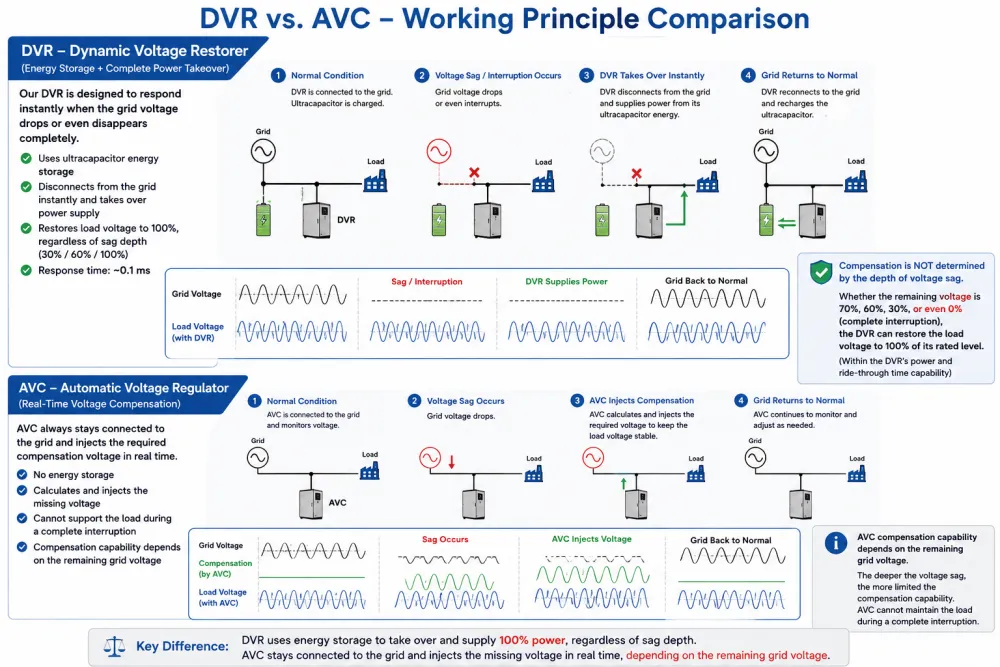 Once the grid returns to normal, the DVR reconnects and recharges its ultracapacitors.
✅ Response time: around 0.1 ms
✅ Can restore the load voltage to 100% in millisecond, even during deep voltage sags (such as 45% 60% or outage)
✅ Can also ride through ms level voltage interruptions that conventional regulators cannot handle.
⚡ AVC – Real-Time Voltage Compensation
Unlike a DVR, an AVC does not contain any energy storage.
It always remains connected to the grid and continuously measures the incoming voltage.
When a voltage sag occurs, the AVC calculates the missing voltage and injects only the required compensation voltage, allowing the load voltage to remain stable.
Because it depends on the grid voltage, it cannot maintain the load during a complete voltage interruption.
Which One Is Right for Your Application?
If your production line can tolerate only minor voltage fluctuations and complete outages are not a concern, an AVC is often a practical and economical solution.
However, if your process cannot afford even a few milliseconds of power interruption—such as semiconductor manufacturing, data centers, automated production lines, or other mission-critical applications—a DVR is the technology designed for that level of protection.
Although both products are designed to improve power quality, understanding how they work is the key to selecting the right solution.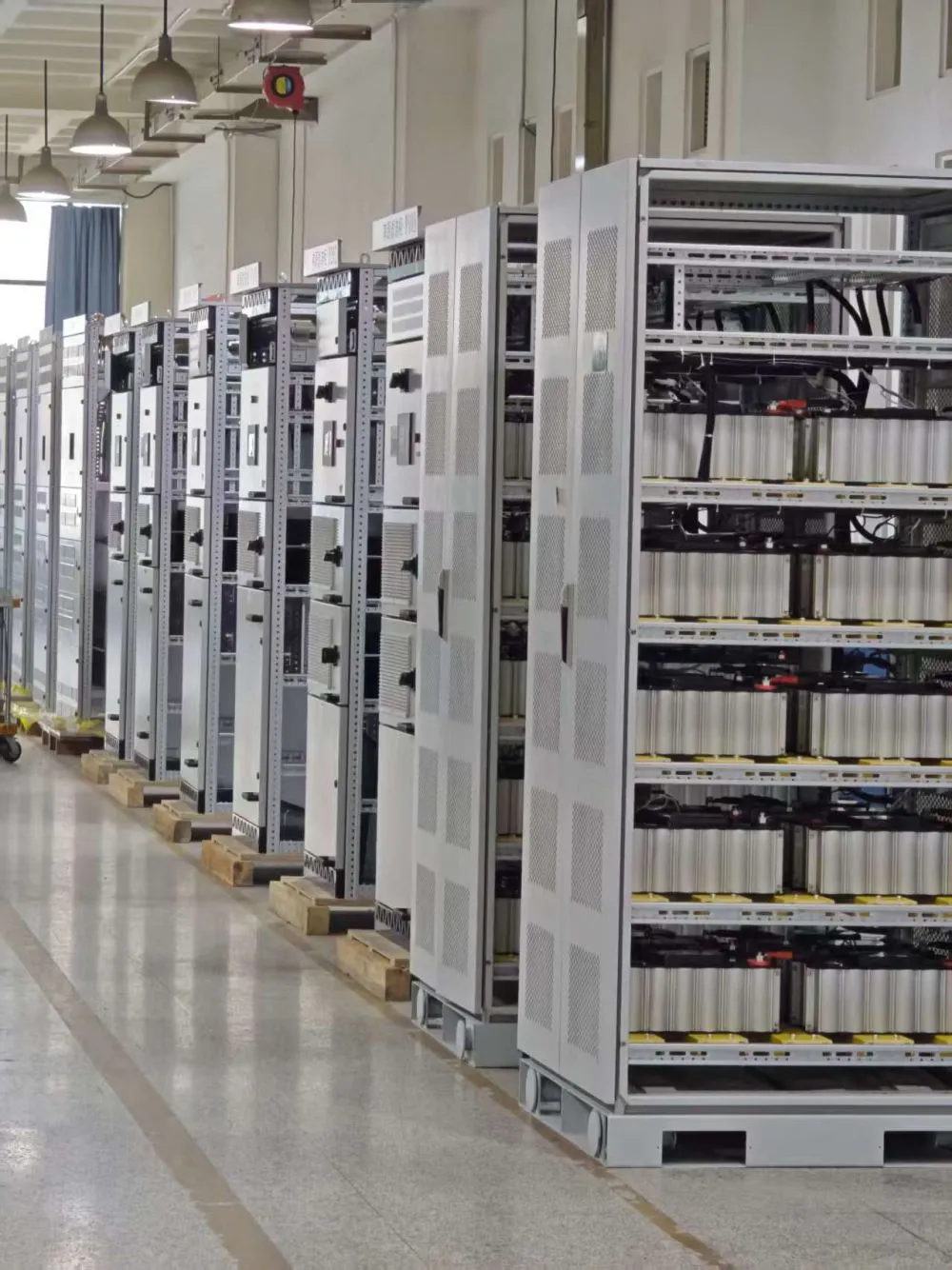
#PowerQuality #Voltagerestorer #EnergyEfficiency #voltage #distributuonbox #industrycontrol #powersystem #energysaving #Powerqualitysolutions #VoltageStabilization #GridStability #EnergyEfficiency #LowVoltageDistribution #THD #BESS
Recently Posted
-
Thyristor Switched Capacitor Bank (TSC) | Intelligent Reactive Power Compensation
August 7, 2026Thyristor Switched Capacitor Bank (TSC) | Intelligent Reactive Power CompensationRated Voltage: 400V / 690V / 6kV / 11kV / 22KV /3 Read More
 -
⚡ Not every voltage problem requires a UPS.
August 4, 2026⚡ Not every voltage problem requires a UPS.In an automotive painting factory, the production line was facing voltage disturbances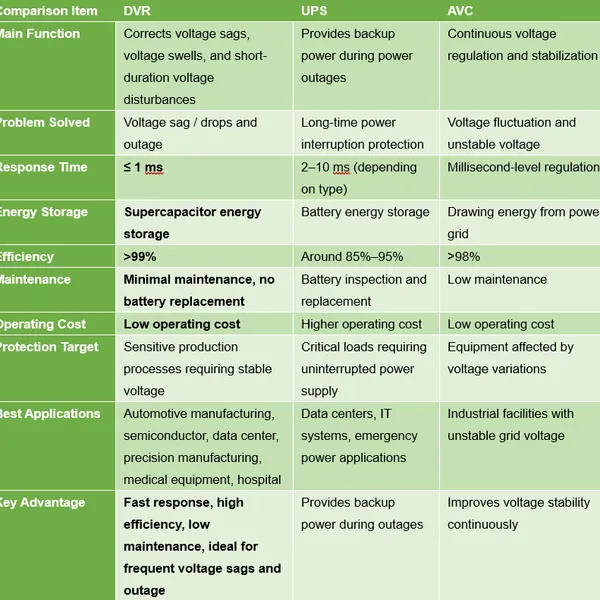 Read More
 -
Active harmonic filter's compensation methods
August 3, 2026Q: What are the compensation methods of active power filters (APF), and how to choose them?A:According to different installation p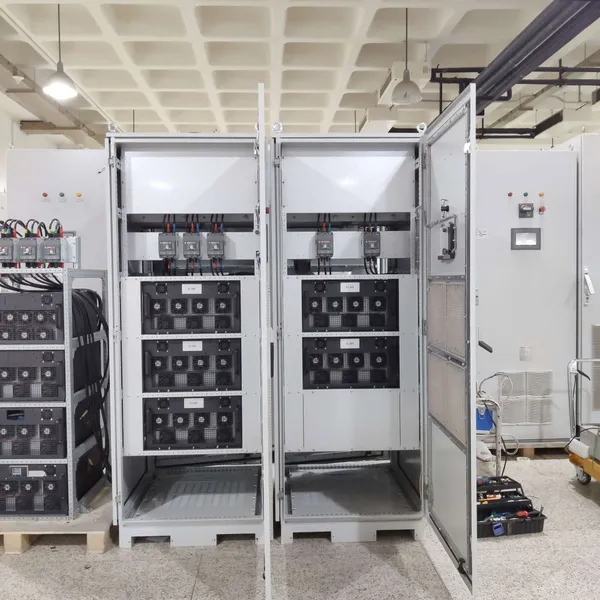 Read More
 -
When Every Millisecond Counts, Power Quality Matters.
July 31, 2026&nbs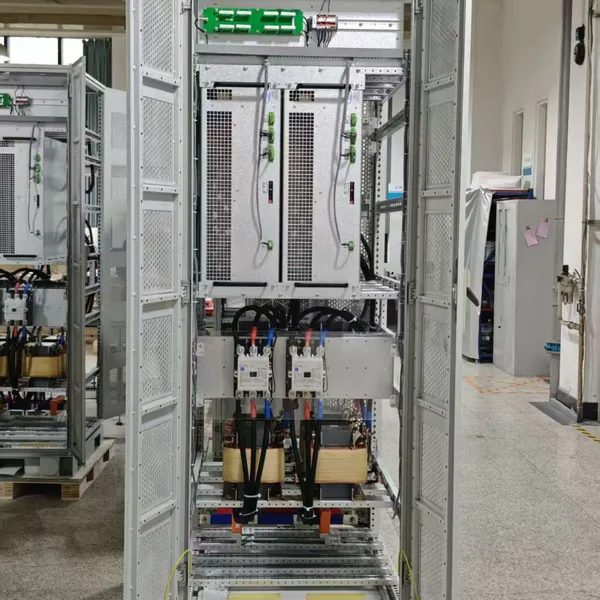 Read More

Contact Us
Recommended Products
-
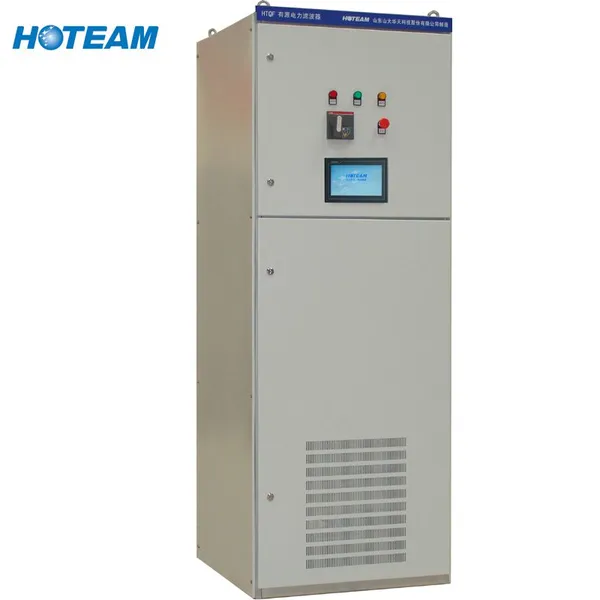
 Hoteam 400V/230V 400-800AA Active Harmonic Filter IGBT Technology Switchgear Cabinet Distribution Box Industrial Outdoor/Indoor UseNegotiableMOQ: 1 Unit
 -
Automatic Voltage Regulator AVR 230V 50/60Hz 30/50/80/100/500KVA Air-cooled Automation AC Voltage RestorerNegotiableMOQ: 1 Unit
-
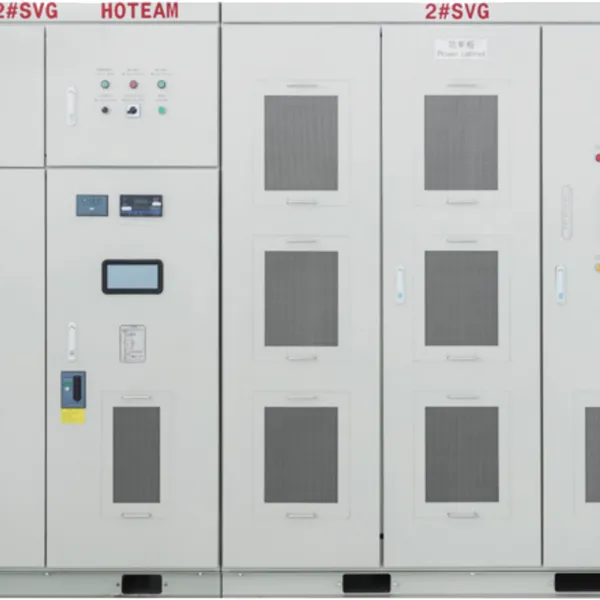
Hoteam SVG AHF 415V/430V 50/60Hz 600kvar 3phase 3wire Rac IP3X Electromagnetic Lock Static Var Generator Distribution BoxNegotiableMOQ: 1 Unit
-
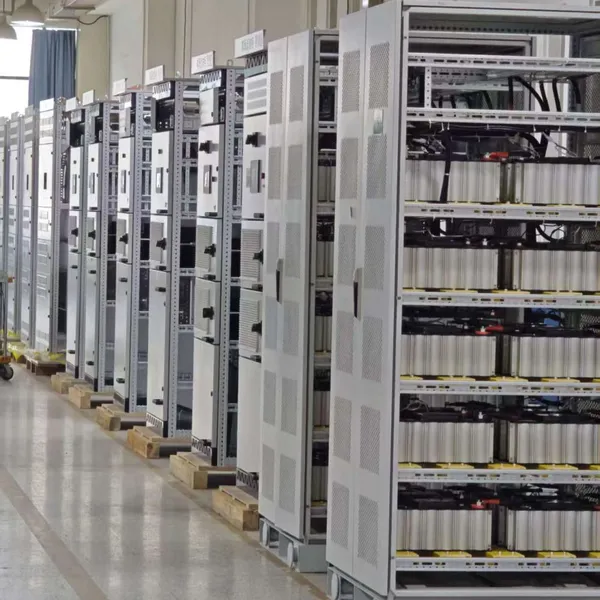
Hoteam HTEQV PFC Capacitor Bank 400V 50Hz 150kvar High-speed Three Phase Reactive Power Compensation Distribution Box IP30NegotiableMOQ: 1 Unit
-
Hoteam SVG High Voltage Static Var Generator-SVG 11 KV/22 KV 50/60Hz IP3X Steel Industrial Indoor Power Transmission 10MVA-60MVANegotiableMOQ: 1 Unit
-
Low-Voltage HV IGBT Technology CE Certificate Modular Static Var Generator (STATCOM/SVG) HMI SVG 440V/415V/480V 200kvar 50/60HzNegotiableMOQ: 1 Unit
-
Hoteam 208V/400V/440V/480V 50Hz 800kvar SVG Module IP3X Protection PWM Control Industrial Automation 4.3/7 Inch HMINegotiableMOQ: 1 Unit
-
Hoteam 440V 50/60Hz 500kvar 3phase 3wire Rack Steel IP3X Rated Static Var Generator Distribution BoxNegotiableMOQ: 1 Unit
-
Hoteam 415V 50/60Hz 2Mvar 3phase 3wire Rack Steel IP3X Rated Static Var Generator Distribution BoxNegotiableMOQ: 1 Unit
-
Automatic Voltage Regulator Industrial Voltage Stabilizer 380V 440V AVR 30KVA-100KVANegotiableMOQ: 1 Unit
-
Hoteam HTSVG 3L-0.4/25kvar AC Automation Modular SVG IP32 Reactive Power Factor Correction With Stainless Steel & Aluminum AlloyNegotiableMOQ: 1 Unit
-
11KV/22KV/33KV Outdoor Capacitor Bank IP54 High Voltage Automatic Power Factor Correction PFC PQSNegotiableMOQ: 1 Unit
-
440V 50Hz 3phase 4wire Wall-mounting Type Active Harmonic Filter From 60A to 450ANegotiableMOQ: 1 Unit
-
Hoteam SVG 400V/440V/480V 50kvar 50Hz 3Phase 4Wire IP3X Distribution Box for Electric Power Transmission Industrial UseNegotiableMOQ: 1 Unit
-
11KV/22KV/33KV 2MVAR/4MVAR/20MVAR 50/60Hz Outdoor Capacitor Bank IP54 High Voltage Automatic Power Factor Correction PFC PQSNegotiableMOQ: 1 Unit
-
Module Type AHF 440V/150A Active Harmonic Filter Reactive Power Compensation Distribution Box IP43/ IP3XNegotiableMOQ: 1 Unit
-
Hoteam SiC-based Silicon Carbide 480V 150A AHF Distribution Box for Indoor Industrial Electric Power TransmissionNegotiableMOQ: 1 Unit
-
Hoteam SVG Module Type 440V 200kvar Wall-Mounting Active Harmonic Filter Reactive Power CompensationNegotiableMOQ: 1 Unit
-
Hoteam Active Harmonic Filter 440V 60A Industrial Indoor Wall-mounted Module Type AHF Active Load Balancer Distribution BoxNegotiableMOQ: 1 Unit
-
Industrial DVR-440V/2500kVA Three Phase AC Static Automatic Voltage Regulator (AVR) Touch Screen Interface 2500kVA CapacityNegotiableMOQ: 1 Unit